Rockwool Insulation in Pleasant Grove that keeps heat in and noise out
Dense mineral wool batts fitted for Utah County homes, garages and basements
Rockwool Insulation in Pleasant Grove is the dense mineral wool batt we install in walls, attics, basements and garages across 84062. It resists fire, shrugs off moisture and holds its R-value for decades. If your rooms run cold in January, your furnace never stops, or you can hear every car on the street, we can fix it. We have served Pleasant Grove since 2022 and know exactly how these homes are built.
What Rockwool Insulation in Pleasant Grove Actually Does
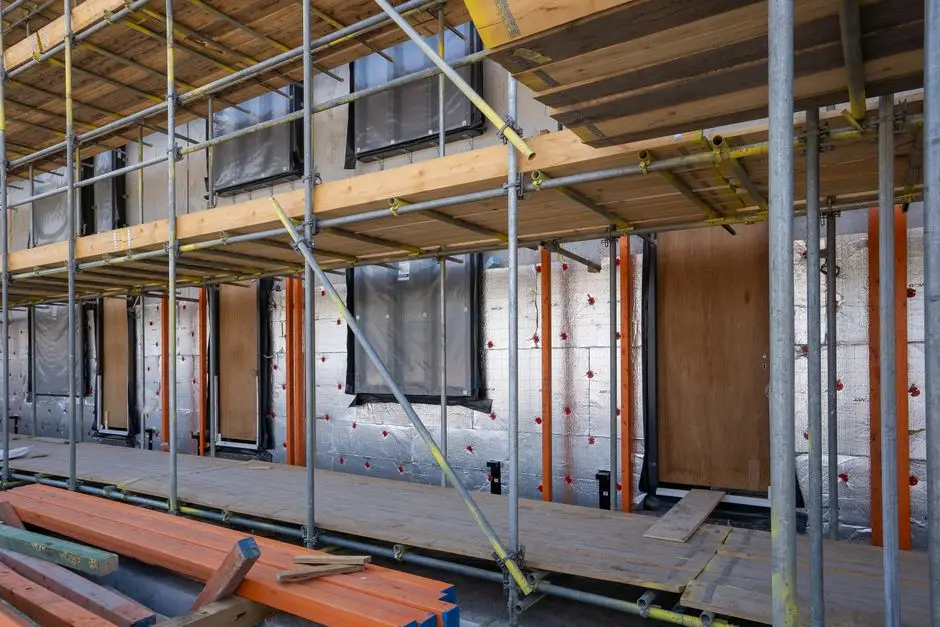
Rockwool Insulation in Pleasant Grove is a mineral wool batt made from spun volcanic rock, sold under the Rockwool and Knauf brands and cut to fit standard 16- and 24-inch stud bays. It packs to roughly three times the density of fiberglass batts, so it blocks airflow inside the cavity instead of letting it slip past. That density is why a 3.5-inch batt delivers about R-15 and a 5.5-inch batt reaches R-23. We cut each piece with a utility knife or foam board cutter, friction-fit it tight, then seal the edges with insulation tape so no gap is left for cold air to travel through.
Pleasant Grove sits in a high desert valley where January nights drop below 20 degrees and July afternoons push past 95. That swing punishes loose insulation. Homes near Grove Creek and the Pleasant Grove Bench often have older wall cavities with fiberglass batts that have sagged, leaving air leaks and thermal bridging around studs. If you have been searching for rockwool insulation near me Pleasant Grove, our crew can inspect your walls with a thermal imaging camera and a moisture meter, show you exactly where heat is escaping, and quote rockwool insulation installation Pleasant Grove Utah homeowners can schedule fast.
Why Pleasant Grove Homeowners Choose Mineral Wool
Mineral wool costs more per bag than fiberglass, and it earns that back in three places: fire performance, moisture tolerance and sound control. Here is what that looks like inside a Pleasant Grove home.
Fire resistant by nature
Rockwool melts above 2,000 degrees Fahrenheit, so it does not feed a fire the way foam plastics can. In a garage wall or a furnace closet, that buys real time. We pair it with a vapor barrier and proper air sealing so the assembly performs as a system, not just a stack of batts.
Holds R-value when damp
Fiberglass loses performance once it soaks up moisture. Mineral wool drains and dries, so a slow roof leak or a humid basement near Battle Creek does not gut your R-value. We check every cavity with a moisture meter before we install anything.
Quiets busy rooms
A 3-inch mineral wool batt can cut interior noise noticeably better than fiberglass of the same thickness. Homeowners along the Pleasant Grove Industrial Park corridor use it in bedroom and office walls to soften truck and shop noise. It is one of the cheapest soundproofing upgrades you can make.
Stops air leaks and ice dams
Dense batts plus air sealing cut the stack effect that pulls warm air into your attic. That reduces ice dams on north-facing roof planes and keeps snow from melting and refreezing at the eaves. Most Pleasant Grove homes we treat see a measurable drop in winter gas use.
Our Rockwool Insulation Installation Process
We keep the job predictable: one walkthrough, one written price, one clean install. Most single-room projects finish in a day; whole-home retrofits run two to four days.
Free attic and wall inspection
We start with a thermal imaging camera scan and a moisture meter reading on every accessible cavity. You get photos of the problem areas and a plain-English explanation of what is failing. This walkthrough takes 45 to 90 minutes and costs nothing.
Written scope and R-value plan
We spec the R-value per assembly: R-15 to R-23 in 2x4 and 2x6 walls, R-30 to R-49 in attics, R-15 in rim joists. You see the product, the thickness and the total price before we order a single bag. No surprise line items.
Air sealing first
Before any batt goes in, we seal top plates, electrical penetrations, plumbing chases and rim joists with spray foam and Great Stuff. Skipping this step is the number one reason insulation underperforms. It usually adds two to four hours to the job.
Cut, fit and tape the batts
We cut Rockwool and Knauf batts to the exact bay width, friction-fit them so they touch on all four sides, and tape seams. Our installers wear respirators and follow OSHA handling practice. Walls, ceilings and floors get the same tight fit.
Verify and walk you through it
We re-scan with the thermal camera to confirm the cold spots are gone, then walk you through what we did and how to keep it performing. You get a written summary of R-values installed and the areas we treated.
Why Rockwool Insulation in Pleasant Grove Works Better With Us
Plenty of crews will hand you a quote over the phone. We inspect first, seal second, insulate third, and prove the result with a thermal camera before we pack up.
We inspect before we quote
Every estimate starts with a thermal imaging camera scan and a moisture meter check. You see the actual problem areas in photos, not a guess. That is why our quotes hold up and change orders stay rare.
Air sealing is standard
We never install batts over open chases and unsealed top plates. Spray foam and Great Stuff go in first, every time. It adds hours to the job and it is the difference between R-23 on paper and R-23 in your wall.
Mineral wool insulation Pleasant Grove specialists
We install Rockwool and Knauf mineral wool weekly, so we know how it cuts, compresses and fits around wiring and boxes. That familiarity means tighter bays, fewer gaps and a cleaner finished wall than a crew learning the material on your job.
Best rockwool insulation company in Pleasant Grove UT
We are local, licensed and reachable. Call (855) 927-7517 and you talk to someone who can actually schedule your install, not a call center. We serve Pleasant Grove, Lindon, Manila and the surrounding Utah County neighborhoods.
What Our Rockwool Insulation Service Includes
Every mineral wool job we run in Pleasant Grove includes the inspection, the air sealing and the verification scan. What changes from home to home is the R-value and how many assemblies we treat. Here is what you get as standard.
What's Included
Thermal imaging inspection
We scan every accessible wall, ceiling and floor with a thermal imaging camera and check suspect cavities with a moisture meter. You get photos of the cold spots and a written summary of what is failing and why.
Air sealing before batts
Top plates, electrical boxes, plumbing chases and rim joists get sealed with spray foam and Great Stuff before any batt goes in. This is the step that makes the R-value real instead of theoretical.
Cut-to-fit mineral wool batts
We cut Rockwool and Knauf batts to the exact bay width and friction-fit them so they touch on all four sides. Seams get taped so there is no gap for air to slip through.
Vapor barrier and tape detailing
Where the assembly calls for it, we install a vapor barrier and seal it with insulation tape. That keeps warm moist air out of the cavity and protects the batts from condensation.
Post-install verification scan
We re-scan the treated areas with the thermal camera to confirm the cold spots are gone. If anything still reads warm, we fix it before we leave. You get a written record of the R-values installed.
Problems Rockwool Insulation in Pleasant Grove Fixes
Most insulation calls we get in Pleasant Grove trace back to one of four problems. Each one has a specific fix, and none of them get better on their own.
High energy bills every winter
A leaky wall or attic forces your furnace to run longer and harder, and you pay for that heat twice: once to make it, once to lose it through the ceiling.
We air seal the top plates and chases, then fit mineral wool batts to the R-value your assembly needs. Most homes see a measurable drop in winter gas use after the first full season.
Cold rooms over the garage or basement
Floors over garages and crawl spaces lose heat straight down. The room above stays cold no matter how high you set the thermostat, and the furnace never catches up.
We insulate the floor assembly from below with mineral wool batts cut tight between joists, then seal the perimeter. The room above warms up and the furnace stops short-cycling.
Moisture buildup and mold growth
Wet fiberglass collapses and stops insulating, and the damp cavity becomes a mold farm. Left alone, it spreads into framing and drywall and turns into a much bigger repair.
We remove the wet material, dry the cavity, and re-insulate with mineral wool that drains and dries instead of holding water. A vapor barrier and proper air sealing keep it dry going forward.
Noise from the street or the shop
Fiberglass does little to block sound, so traffic, mowers and industrial noise come straight through the wall and keep you awake at night.
Mineral wool's density absorbs sound far better than fiberglass at the same thickness. We fit it tight in the wall cavity and seal the edges, which cuts interior noise noticeably.
When Pleasant Grove Homes Need Mineral Wool
A 1950s home near the Historic District with bare wall cavities and old knob-and-tube wiring.
We seal the chases and boxes with spray foam, then cut mineral wool batts to fit around the old wiring without compressing them. Mineral wool does not burn, which matters in a house with aging electrical.
Warmer rooms, lower winter gas use, and a wall assembly that meets modern fire performance without tearing the house apart.
A garage wall shared with a bedroom that stays cold all winter and lets engine noise through.
We insulate the shared wall with dense mineral wool batts and seal the top and bottom plates. The garage side gets foam board where the studs are exposed.
The bedroom holds heat, the garage stays warmer, and the noise from the garage drops to a background hum.
A finished basement near Battle Creek that feels damp and echoes every footstep.
We insulate the basement walls and ceiling with mineral wool, which handles the humidity and absorbs sound. A vapor barrier goes in on the below-grade walls.
A drier, quieter basement that is comfortable to use year-round instead of a storage room you avoid.
An attic with settled fiberglass that leaves the top plate exposed and feeds ice dams.
We air seal the top plates and penetrations, then bring the attic up to R-49 with mineral wool batts or blown cellulose depending on joist spacing.
Less heat escaping into the attic, fewer ice dams at the eaves, and a furnace that runs shorter cycles.
Tools and Methods We Use on Every Job
Tools & Equipment
Thermal imaging camera
We use it before and after every install to find cold spots and confirm the batts actually closed them. It is how we prove the job worked instead of guessing.
Moisture meter
Every suspect cavity gets a reading before we insulate. If the material is wet, it comes out first, because trapping moisture behind new batts causes mold.
Utility knife and foam board cutter
Mineral wool and rigid foam board need clean, square cuts to fit tight. Dull or wrong blades leave gaps that leak air and kill the R-value.
Insulation blower
For attic and irregular cavities we blow cellulose to the target depth, then verify with a depth check so the R-value matches the plan.
Spray foam gun
We seal top plates, chases and rim joists with a spray foam gun before any batt goes in. It is the air barrier that makes the insulation perform.
Respirator and stapler
Mineral wool fibers irritate the lungs, so our installers wear respirators and follow OSHA handling practice. The stapler secures vapor barrier and facing quickly and cleanly.
Methods
Cut-to-fit friction installation
We cut each batt slightly wider than the bay so it compresses just enough to grip all four sides. That friction fit stops air from moving around the batt, which is where most insulation jobs fail.
Air sealing to ENERGY STAR standards
We seal top plates, penetrations and rim joists to ENERGY STAR air-sealing practice before insulating. On projects pursuing LEED points, we document the sealing work for the rater.
Vapor barrier detailing
Below-grade and exterior walls get a vapor barrier sealed with insulation tape. Getting the barrier right keeps warm moist air out of the cavity and protects the batts from condensation.
IBC-compliant assembly design
We spec R-values and materials to meet IBC requirements for the assembly, then verify with the thermal camera. That keeps the job compliant and the performance predictable.
How Rockwool Insulation Runs in Pleasant Grove
Pleasant Grove homes sit in a high desert valley, which means big temperature swings, dry summers and cold, occasionally snowy winters. That climate punishes insulation that cannot handle movement and moisture. Older homes near the Historic District and Old Pleasant Grove often have 2x4 walls with sagging fiberglass and no air sealing, while newer builds on the Bench and Pleasant Grove Ridge tend to have 2x6 walls that just need the right R-value. We spec mineral wool insulation Pleasant Grove homeowners can rely on: R-15 to R-23 in walls, R-30 to R-49 in attics, and R-15 in rim joists. If you have been searching for rockwool insulation Pleasant Grove basement work, we handle below-grade walls with mineral wool and a vapor barrier because it drains and dries instead of holding water. Utah County inspectors want to see the vapor barrier and air sealing done to code, and we document both. Every job in 84062 starts with an inspection, because a 1940s farmhouse and a 2024 build fail in completely different ways.
Service Areas
Older homes with 2x4 walls, knob-and-tube wiring and almost no original insulation. We seal carefully around old wiring and fit mineral wool without compressing it.
Newer builds with 2x6 walls and tall ceilings. These homes usually need the right R-value and better attic air sealing rather than a full tear-out.
Homes near the creek see more humidity in spring. Mineral wool and a proper vapor barrier handle it better than fiberglass, which sags once it gets damp.
Homes and shops along the corridor deal with traffic and industrial noise. Dense mineral wool in the shared walls cuts that noise noticeably.
Local Considerations
Winter nights below 20 degrees Fahrenheit
Cold snaps expose every air leak in a wall. We air seal first so the batts can actually hold heat instead of letting it escape around the edges.
Summer afternoons above 95 degrees
Attic temperatures climb past 130 degrees, which drives heat down through the ceiling. Proper attic R-value and air sealing keep the living space cooler and the AC from running nonstop.
Dry air and seasonal snowmelt
Snowmelt refreezing at the eaves causes ice dams. Air sealing the top plate and insulating to R-49 keeps attic heat where it belongs and reduces the problem.
Cold Bedroom Over a Garage
A Pleasant Grove homeowner could not keep the bedroom over the garage above 62 degrees in January. The floor assembly had bare joists, and the furnace ran almost continuously trying to catch up.
We sealed the perimeter and fit mineral wool batts tight between the joists. The room now holds 68 degrees on the same thermostat setting, and the furnace cycles normally instead of running flat out.
Maintenance & Follow-up
Keep the garage door closed in winter and check the floor insulation every few years for sagging or pest damage. Mineral wool holds up well, but a quick visual check is cheap insurance.
A home near Grove Creek had settled fiberglass in the attic, an exposed top plate, and ice dams every winter. Winter gas bills were running well above what the neighbors paid.
We air sealed the top plates and penetrations, then brought the attic to R-49 with mineral wool batts. The ice dams stopped forming and the homeowner reported a clear drop in winter gas use the first season.
Maintenance & Follow-up
Check attic depth once a year and top up if it settles. Keep the air sealing intact if you add any new wiring or ductwork.
A finished basement near Battle Creek felt damp and echoed every footstep. The original fiberglass had sagged and was holding moisture against the concrete wall.
We removed the wet material, dried the walls, and installed mineral wool with a vapor barrier. The basement now reads dry on the moisture meter and the echo is gone.
Maintenance & Follow-up
Run a dehumidifier in spring and keep the vapor barrier sealed. If you see any new moisture, call us before it reaches the batts.
How much does rockwool insulation cost in Pleasant Grove UT?
Typical 2026 pricing in Pleasant Grove runs $2.50 to $4.50 per square foot installed, or roughly $1,800 to $4,200 for a whole-home wall and attic retrofit. Single-room jobs like a garage wall or basement ceiling often land between $600 and $1,500. Cost moves with R-value, cavity depth and how much air sealing the job needs. We give you a written number after the inspection, so you are never guessing.
Is rockwool insulation better than fiberglass in Pleasant Grove?
For fire resistance, moisture tolerance and sound control, yes. Mineral wool melts above 2,000 degrees Fahrenheit, dries out after a leak, and cuts noise better than fiberglass at the same thickness. Fiberglass is cheaper and still fine for a dry, quiet interior wall. In Pleasant Grove, where basements get humid and garages sit next to furnaces, we usually recommend mineral wool for those assemblies and fiberglass where budget matters more than performance.
Who installs rockwool insulation near me in Pleasant Grove?
Skyseal Corner installs Rockwool and Knauf mineral wool across Pleasant Grove, Lindon, Manila and the rest of Utah County. We have been at it since 2022 and handle walls, attics, basements, ceilings and garage walls. Call (855) 927-7517 and we will book an inspection, usually within a few days. You get a written scope and R-value plan before any material is ordered.
What R-value rockwool insulation for Pleasant Grove?
For Pleasant Grove's climate, we target R-15 to R-23 in walls, R-30 to R-49 in attics, and R-15 in rim joists and basement ceilings. A 3.5-inch batt gives you about R-15 and a 5.5-inch batt reaches R-23. Attic depth depends on your joist spacing and whether we are blowing or batting. We measure your existing R-value during the inspection and tell you exactly what to add.
Licensed, Certified and Local
Certifications
Reviews
Skyseal Corner insulated our garage wall with mineral wool and sealed the top plates. The bedroom above it finally holds heat and the noise from the garage is gone. They showed up when they said they would and the price matched the quote.
We had wet fiberglass in the attic from a roof leak. They removed it, dried everything, and replaced it with Rockwool. Two winters later there is no mold and the attic is dry. Honest crew, fair price.
Our 1920s house near the Historic District had almost no insulation. They sealed the chases first, then cut mineral wool to fit around the old wiring. The house is warmer and the street noise dropped a lot.
Called about a cold basement near Battle Creek. They inspected with a thermal camera, showed us the problem areas, and quoted a fair number. The basement is dry and quiet now. Would use them again.
Other Insulation Services We Pair With Mineral Wool
Spray Foam Insulation
Closed-cell spray foam seals the rim joists and chases that mineral wool batts cannot reach. We often combine both: foam for the air barrier, Rockwool for the cavity. That pairing gives Pleasant Grove homes the tightest, highest-R assembly available.
Spray Foam InsulationAttic Insulation
Attics lose more heat than any other assembly in a Pleasant Grove home. We blow cellulose or fit mineral wool batts to R-49, then air seal the top plates first. Most attic jobs finish in a single day.
Attic InsulationGarage Door Insulation
An uninsulated garage door turns an attached garage into a giant heat sink. We fit foam board or mineral wool panels behind the door skin, which keeps the garage 10 to 15 degrees warmer and stops that cold from bleeding into the house.
Garage Door InsulationFiberglass Insulation
Fiberglass batts remain the budget option for dry interior walls and ceilings. We install Owens Corning and Johns Manville batts where performance demands are lower, and save mineral wool for the assemblies that need fire and moisture resistance.
Fiberglass InsulationFoam Board Insulation
Rigid foam board goes on basement walls, rim joists and exterior sheathing where batts will not fit. We cut it with a foam board cutter and tape the seams, giving you a continuous thermal break that stops thermal bridging through the studs.
Foam Board InsulationInsulation Installers Near Me
If you are searching for insulation installers near me in Pleasant Grove, we are local, licensed and reachable at (855) 927-7517. We handle mineral wool, fiberglass, foam and cellulose, so you get one crew for the whole job.
Insulation Installers Near Me24/7 Insulation Installation
Storm damage, a burst pipe or a sudden cold snap does not wait for business hours. We offer 24/7 insulation installation for Pleasant Grove homeowners who need a wall or attic closed up fast. Call and we will get a crew out.
24/7 Insulation InstallationEmergency Insulation Repair
When a roof leak soaks your attic batts or a rodent tears through a wall cavity, you need it fixed before mold sets in. We remove the damaged material, dry the cavity and re-insulate with mineral wool that resists moisture.
Emergency Insulation RepairBasement Insulation
Rockwool insulation Pleasant Grove basement projects are some of our most common calls. Mineral wool handles the humidity that comes with below-grade walls, and it quiets the furnace and water heater noise that carries through the floor above.
Basement InsulationHome Insulation
A whole-home insulation plan looks at walls, attic, floors, rim joists and crawl space together. We audit each assembly, rank the upgrades by payback, and stage the work so you are not tearing the same wall open twice.
Home InsulationCellulose Insulation
Blown cellulose fills irregular attic and wall cavities that batts cannot reach. We use an insulation blower to pack it to the target depth, then verify density so it does not settle and leave the top plate exposed.
Cellulose InsulationWindow Insulation
Old single-pane windows in Pleasant Grove's Historic District leak air no batt can stop. We seal the rough openings and add insulation around the frames, which closes the gap between your wall performance and your window performance.
Window InsulationCeiling Insulation
Ceilings between a heated floor and a cold garage or attic need dense material. Mineral wool batts fit tight between joists and hold their R-value, which keeps the room above warm and cuts the noise from below.
Ceiling InsulationMetal Building Insulation
Metal shops and barns sweat in Utah County's temperature swings. We install mineral wool or foil insulation systems that control condensation on the steel and keep the interior usable year-round.
Metal Building InsulationRoof Insulation
Insulating at the roof deck keeps attic heat out of the living space and reduces ice dams at the eaves. We combine rigid foam board with mineral wool to hit the R-value your roof assembly needs.
Roof InsulationSoundproof Insulation
Mineral wool is our go-to for soundproofing bedrooms, home offices and shared walls. Its density absorbs sound far better than fiberglass, which is why we use it in homes near busy roads and the industrial park.
Soundproof InsulationDouble Bubble Insulation
Double bubble foil works as a radiant barrier in attics and metal buildings where reflective performance matters more than cavity fill. We pair it with mineral wool to cover both radiant and conductive heat gain.
Double Bubble InsulationPole Barn Insulation
Pole barns and shops around Pleasant Grove need insulation that stands up to dust, rodents and temperature swings. Mineral wool resists all three and does not burn, which matters in a building full of tools and fuel.
Pole Barn InsulationFoil Insulation
Foil insulation reflects radiant heat and works well in attics and metal buildings. We install it with the correct air gap so it performs as designed, then add mineral wool where conductive heat loss is the bigger problem.
Foil InsulationInsulation Near Me
Searching insulation near me in Pleasant Grove? We are based locally, serve all of 84062, and can usually inspect within a few days. One call covers mineral wool, foam, fiberglass and cellulose.
Insulation Near MeBlown In Insulation
Blown-in insulation is fast and fills every odd corner of an attic. We use an insulation blower to hit the target depth, then verify with a depth check so your R-value matches the plan.
Blown In InsulationSpray Foam Insulation Near Me
If you need spray foam insulation near me in Pleasant Grove, we apply closed-cell foam to rim joists, crawl spaces and chases where batts cannot seal. It is the air barrier that makes the mineral wool work.
Spray Foam Insulation Near MeCrawl Space Insulation
Crawl spaces pull cold air and moisture up into the floor above. We seal the vents, insulate the walls with foam board and mineral wool, and install a vapor barrier to keep the space dry.
Crawl Space InsulationWall Insulation
Wall cavities are where mineral wool shines. We cut batts to fit tight around wiring and boxes, tape the seams, and verify with a thermal camera that no cold spot remains.
Wall InsulationInsulation Removal
Soaked, moldy or pest-infested insulation has to come out before new material goes in. We remove it, treat the cavity, and dispose of the old material properly, then re-insulate with mineral wool.
Insulation RemovalFloor Insulation
Floors over crawl spaces and garages lose heat straight down. We fit mineral wool batts between the joists and seal the perimeter, which warms the room above and cuts noise transfer.
Floor InsulationGet Rockwool Insulation in Pleasant Grove Installed Right
We inspect first, seal the leaks, then fit mineral wool tight and prove it with a thermal camera. Licensed, local and serving Pleasant Grove since 2022. Call (855) 927-7517 and we will book your walkthrough.