Cellulose Insulation in Pleasant Grove for Draft-Free, Quieter Homes
Dense-packed and blown cellulose installed across Utah County
Cellulose Insulation in Pleasant Grove is the fastest way to stop attic heat loss, silence street noise, and cut winter gas bills. Our BPI Certified crews blow dense-packed cellulose into walls, attics, and rim joists using an insulation blower and thermal imaging camera to find every gap first. If your 1970s rambler near Grove Creek feels drafty in January, we fix that in a single day.
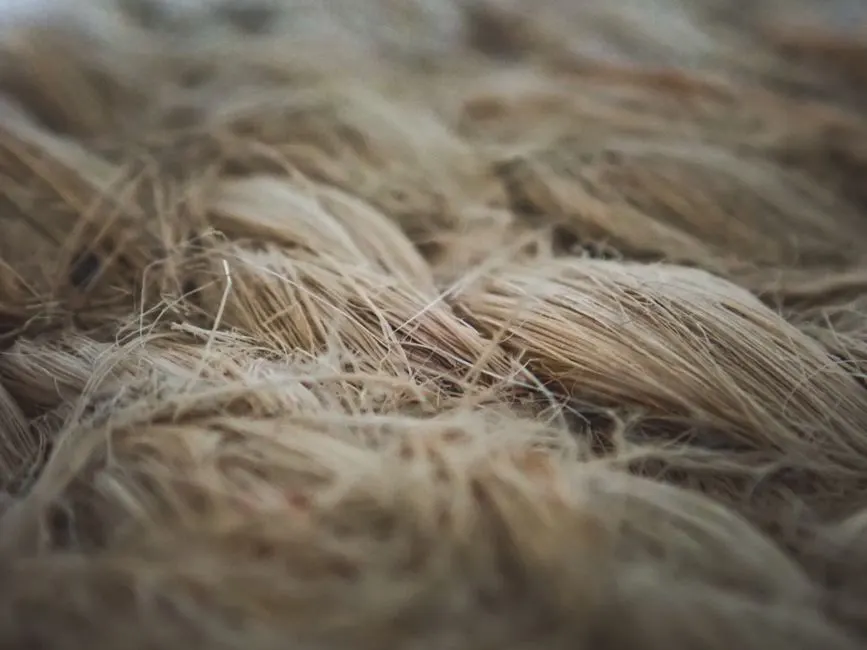
What Cellulose Insulation in Pleasant Grove Actually Involves
Cellulose Insulation in Pleasant Grove is a blown-in material made from recycled newsprint treated with borate fire retardant, installed at densities between 1.5 and 3.5 pounds per cubic foot. We feed it through an insulation blower, pack it behind drywall and into open attic bays, then seal air leaks with spray foam before the cellulose goes down. The result is an R-value of R-3.2 to R-3.8 per inch, which beats fiberglass batts in the same cavity.
Pleasant Grove sits at 4,700 feet along the Wasatch Front, where January lows hit 15 degrees and July afternoons push 95. That swing punishes under-insulated attics. Most homes built before 1990 in Old Pleasant Grove and the Historic District still carry R-11 in the walls, which is why ice dams form on north-facing eaves every February. If you have been searching for cellulose insulation near me Pleasant Grove, the fix starts with an attic audit.
Why Pleasant Grove Homeowners Choose Cellulose
Blown cellulose outperforms fiberglass in cold, windy climates, and it costs less than spray foam per square foot. Here is what you actually get.
Higher Effective R-Value
Cellulose fills odd-shaped cavities that fiberglass batts miss, so a 2x6 wall reaches R-22 instead of R-19. In a Pleasant Grove attic, dense-packed cellulose at R-49 cuts heat loss through the ceiling by roughly 40 percent compared to the R-19 batts we pull out.
Quieter Rooms Year-Round
The density that makes cellulose insulate well also absorbs sound. Homeowners along Grove Creek report that traffic noise from the nearby arterial drops noticeably after we pack exterior walls. It is the same reason builders use it in bedroom walls facing State Street.
Fewer Ice Dams and Drafts
Ice dams form when attic heat melts snow that refreezes at the eaves. A properly air-sealed, R-49 cellulose attic keeps the roof deck cold and uniform. We pair every install with a vapor barrier check so moisture buildup does not rot your sheathing.
Lower Monthly Utility Bills
A typical Pleasant Grove home with R-11 walls and R-19 attic insulation spends $180 to $260 a month on gas and power in winter. After we bring the attic to R-49 and dense-pack the walls, most customers see a 20 to 30 percent drop the first billing cycle.
Our Cellulose Insulation Installation Process
Every job follows the same five steps, whether we are topping off an attic in Pleasant Grove Heights or dense-packing walls in a 1940s bungalow near the Town Center.
Attic and Wall Audit
We walk the attic with a thermal imaging camera and moisture meter, then check wall cavities from the exterior. You get a written R-value report showing exactly where heat is escaping. The audit takes 45 to 60 minutes and costs nothing if you book the install.
Air Sealing First
Cellulose works only if air stops moving through it. We seal top plates, can lights, plumbing chases, and rim joists with spray foam and insulation tape before any cellulose goes in. Skipping this step is the number one reason attic insulation underperforms.
Blower Setup and Hosing
Our crew runs 100 feet of hose from the truck-mounted insulation blower to the attic hatch. We lay drop cloths through the house and set up negative air pressure so dust stays out of your living space. Setup runs 20 to 30 minutes.
Dense-Pack and Blow
Walls get dense-packed to 3.5 pounds per cubic foot through small holes drilled between studs. Open attic bays get blown to a settled depth of 14 inches for R-49. A 1,200 square foot attic takes three to four hours to complete.
Verification and Cleanup
We re-scan with the thermal imaging camera, confirm depth with a measuring stick at six points, and patch every drill hole. You get a photo report the same day and a walkthrough before we pull the hose. Total job time is usually one day.
Four Years of Cellulose Work Along the Wasatch Front
Skyseal Corner has been installing insulation since 2022, and cellulose has been our most-requested material every year since. Our lead installers hold BPI Certified Building Analyst credentials and complete OSHA 10 training before they touch a blower. We have dense-packed walls in more than 300 Utah County homes, from 1890s farmhouses in the Historic District to new builds in Pleasant Grove Station. We work to IBC 2021 energy provisions and pull a Utah contractor license on every job.
- BPI Certified Building Analyst on staff for every attic audit and blower-door test
- OSHA 10 trained crews, respirator and PPE standard on every cellulose install
- 300-plus Utah County homes dense-packed since 2022, including 40 in Pleasant Grove
- We follow IBC 2021 and Utah's adopted energy code on R-value minimums
- Every install includes a moisture meter check before we close up the attic
Why Our Cellulose Insulation in Pleasant Grove Holds Up
Cellulose is only as good as the crew blowing it. Here is what separates a 30-year attic from one that settles and underperforms in three winters.
Air Sealing Before Blowing
We spend the first hour sealing air leaks with spray foam and insulation tape, not just dumping cellulose over them. That step alone adds 10 to 15 percent to the effective R-value and stops the convective loops that make attics cold.
Density You Can Measure
We dense-pack walls to 3.5 pounds per cubic foot and verify with a scale, not a guess. Loose-blown cellulose settles 15 to 20 percent in the first year, so we overfill to the settled depth you actually need.
Local Climate Experience
Pleasant Grove winters drive frost 30 inches deep and summer attics hit 140 degrees. We spec R-49 for attics and R-22 for 2x6 walls, which meets the best cellulose insulation Pleasant Grove UT standards for this climate zone without overselling.
One-Day Turnaround
Most cellulose insulation installation Pleasant Grove Utah jobs finish in a single day, including cleanup. We arrive at 8 a.m. and are usually pulling the hose by 3 p.m. You sleep in your own bed that night with a warmer attic above you.
What Our Cellulose Insulation Service Includes
Every install covers the audit, air sealing, material, labor, and cleanup. Add-ons like insulation removal or crawl space work get quoted separately so you only pay for what your house needs.
What's Included
Thermal Attic Audit
We scan the attic with a thermal imaging camera and check moisture with a moisture meter. You get a written report showing current R-value, air leaks, and the settled depth we recommend. Takes about an hour.
Air Sealing Package
Top plates, can lights, plumbing chases, and rim joists get sealed with spray foam and insulation tape before cellulose goes down. This is the step that makes the R-value actually perform.
Blown Cellulose Material
We use borate-treated cellulose blown to a settled depth of 14 inches for R-49 in attics and dense-packed to 3.5 pounds per cubic foot in walls. Material meets ASTM C739 and carries a Class 1 fire rating.
Vapor Barrier Check
We verify the vapor barrier faces the warm side of the assembly and patch any tears. In Pleasant Grove's cold winters, a reversed or missing barrier is the fastest route to moisture buildup and rotted sheathing.
Photo Report and Cleanup
You get photos of the finished attic, depth measurements at six points, and a same-day walkthrough. We haul away old material, vacuum the work area, and patch every drill hole before we leave.
Problems Cellulose Insulation in Pleasant Grove Fixes
Most insulation calls start with a symptom: a cold room, a high bill, or ice on the eaves. Here is what we find behind those symptoms and how cellulose solves it.
Attic insulation settled to R-11 or less
Settled fiberglass loses 20 to 30 percent of its rated R-value, so your furnace runs longer and your January bill climbs past $250.
We vacuum out the old material where it is contaminated, air seal the attic floor, and blow fresh cellulose to a settled R-49. That is 14 inches of depth, measured at six points before we leave.
Cold floors over the crawl space
An uninsulated crawl space pulls heat from the floor above all winter and lets moisture buildup rot joists from below.
We install foam board on the crawl space walls, lay a ground vapor barrier, and blow cellulose into the floor cavity for R-30. Floors feel warmer within a day of the install.
Ice dams forming on the north eaves
Warm attic air melts snow that refreezes at the gutter, forcing water under shingles and into the ceiling. Repair bills run $1,500 and up.
Cellulose at R-49 keeps the roof deck cold and uniform. We pair it with air sealing at the top plates and a check of the bath fan ducting, which is the usual culprit behind uneven attic temps.
Street noise through exterior walls
Homes near State Street and the Grove Creek arterial hear 60 to 70 decibels of traffic inside bedrooms, which disrupts sleep and lowers resale appeal.
Dense-packed cellulose at 3.5 pounds per cubic foot cuts sound transmission by 8 to 12 decibels. It is the same material and the same visit, just packed tighter in the wall cavities.
When Pleasant Grove Homeowners Call Us for Cellulose
A 1970s rambler in Pleasant Grove Orchard with original R-11 walls and a cold north bedroom.
We dense-pack the exterior walls through drilled holes, air seal the attic, and blow R-49 cellulose across the ceiling plane. The whole job takes one day and we patch every hole.
The north bedroom holds 68 degrees on a 15-degree night, and the first winter gas bill drops 20 to 25 percent.
A new build in Pleasant Grove Station where the builder used fiberglass batts that were compressed around wiring.
We pull the compromised batts, seal the penetrations with spray foam, and dense-pack cellulose into the same cavities. Cellulose fills the gaps batts leave behind.
The wall assembly hits its rated R-22 instead of the R-14 it was actually delivering, and the blower-door test passes Utah code.
A metal shop in the Pleasant Grove Industrial Park with condensation dripping from the roof purlins every winter.
We staple a radiant barrier to the purlins, install foam board against the metal, and blow cellulose behind a vapor barrier. The assembly stops the thermal bridging that causes the drip.
The shop stays 15 degrees warmer and the condensation stops, which protects tools and inventory from rust.
A rental near the Pleasant Grove Town Center with tenants complaining about noise and high power bills.
We dense-pack the shared walls and blow R-49 in the attic during a single tenant-free day. Photo reports go to the property manager the same afternoon.
Tenant noise complaints stop, and the property shows lower utility costs at the next lease renewal.
Tools and Methods We Use for Cellulose
Tools & Equipment
Truck-Mounted Insulation Blower
Fluffs and pushes cellulose through 100 feet of hose at the right density. We dial the feed rate for attic blow-in versus wall dense-packing, which are two different settings.
Thermal Imaging Camera
Finds missing insulation, air leaks, and thermal bridging before we start and verifies the finished R-value after. It is how we prove the job worked instead of guessing.
Moisture Meter
Checks attic sheathing and framing for moisture buildup before we cover anything. Wet wood has to dry or be treated before cellulose goes over it.
Spray Foam Gun
Applies Great Stuff and two-component foam at top plates, can lights, and rim joists. Air sealing is the step that makes the cellulose perform.
Foam Board Cutter
Cuts Dow and Owens Corning foam board cleanly for crawl space walls and rim joists. Clean cuts mean tight seams and no thermal bridging at the edges.
Respirator and PPE
OSHA-compliant respirators for every crew member during blowing. Cellulose dust is the main hazard on the job, and we do not cut corners on it.
Methods
Dense-Pack Wall Installation
We drill 1-inch holes between studs, insert the hose, and pack cellulose to 3.5 pounds per cubic foot. At that density the material stops settling and blocks air movement, which is what actually delivers the R-value in a cold Pleasant Grove winter.
Open-Blow Attic Installation
For attics we blow cellulose to a settled depth of 14 inches, which gives R-49. We overfill by 15 to 20 percent to account for settling in the first year, then measure depth at six points before signing off.
Air Sealing Before Insulation
We seal top plates, plumbing chases, can lights, and rim joists with spray foam and insulation tape before any cellulose goes down. This follows the DOE weatherization sequence and is why our attics outperform blow-and-go installs.
Blower-Door Verification
On whole-home jobs we run a blower-door test before and after to measure air leakage in CFM50. It gives you a number that proves the air sealing worked, not just a promise.
How Cellulose Insulation Runs in Pleasant Grove
Pleasant Grove sits in Utah's climate zone 5, where design temperatures drop to 10 degrees and attic temps hit 140 in July. That swing means cellulose has to be dense-packed in walls and blown deep in attics, not installed at the loose densities that work in milder states. Most of the housing stock here was built between 1950 and 1995, so we run into 2x4 walls with R-11, undersized attic vents, and bath fans ducted straight into the attic. We fix the ducting first, because a bath fan dumping humid air into a cellulose attic causes moisture buildup and mold growth within two winters. Utah County inspectors want to see R-49 in attics and R-20 in walls on new construction, and we spec to those numbers on every retrofit. If you are looking for the best cellulose insulation company in Pleasant Grove UT, ask what density they pack and whether they air seal first. Those two answers tell you everything.
Service Areas
1890s farmhouses with true 2x4 framing and no existing wall insulation. We drill from the exterior and dense-pack to R-13, which is the most the cavity will hold.
Newer homes with vaulted ceilings and limited attic access. We use a smaller hose and a remote camera to reach the knee-wall cavities without cutting extra hatches.
Homes on the bench face straight into winter wind off the mountains. We bump attic depth to 16 inches for R-56 and pay extra attention to rim joist sealing.
Recent construction where builder-grade fiberglass batts were compressed around wiring. We pull the batts and dense-pack cellulose to recover the lost R-value.
Local Considerations
Winter lows near 10 degrees with wind off the Wasatch
Wind-driven air movement through the attic makes air sealing more important than R-value alone. We seal first, then blow cellulose, which is why our attics hold performance through January.
Summer attic temperatures reaching 140 degrees
High attic heat drives cooling loads and shortens the life of HVAC equipment. Cellulose at R-49 keeps the ceiling plane cooler and cuts AC runtime by 15 to 20 percent.
Homes built before 1990 with R-11 walls
These walls are the biggest single source of heat loss in Pleasant Grove. Dense-packed cellulose is the only cost-effective way to fix them without tearing out drywall.
Bath fans ducted into the attic
This is the most common defect we find. We reroute the duct to the exterior before blowing cellulose, because trapped moisture ruins both the insulation and the sheathing.
1952 Rambler in Old Pleasant Grove
The attic held 4 inches of settled fiberglass, roughly R-11, and the walls had nothing. Winter gas bills ran $240 a month and the north bedroom never got above 62 degrees. Ice dams formed on the eaves every February.
We air sealed the attic floor, blew 14 inches of cellulose for R-49, and dense-packed the walls to R-13. The next January bill came in at $168, and the north bedroom held 68 degrees. No ice dams that winter.
Maintenance & Follow-up
Check attic depth every three years. Cellulose settles slowly after the first year, and a quick top-off keeps you at R-49 without a full re-blow.
Builder-grade fiberglass batts were compressed around every outlet and light fixture, dropping the effective wall R-value from R-19 to about R-12. The blower-door test failed Utah code by 30 percent.
We pulled the batts, sealed the penetrations with spray foam, and dense-packed cellulose to R-22. The retest passed code with margin, and the homeowner reported the furnace cycling half as often.
Maintenance & Follow-up
Keep an eye on any new penetrations from cable or satellite installs. Every hole in the wall is a path for air, and a quick foam seal restores performance.
The uninsulated shop sweated every winter, with condensation dripping from the roof purlins onto tools and inventory. Heaters ran constantly and the space still hovered around 50 degrees.
We installed a radiant barrier and foam board against the metal, then blew cellulose behind a vapor barrier. The shop now holds 65 degrees with half the heater runtime, and the condensation stopped completely.
Maintenance & Follow-up
Inspect the vapor barrier each fall for tears. A small patch with insulation tape keeps the assembly dry and the cellulose performing.
How much does cellulose insulation cost in Pleasant Grove UT?
Typical 2026 pricing runs $1.80 to $3.20 per square foot installed for attic blow-in, and $3.50 to $5.50 per square foot for dense-packed walls. A 1,200 square foot attic lands between $2,200 and $3,800 depending on existing insulation, air sealing needs, and access. Dense-packing a full house usually adds $2,000 to $4,500.
Is cellulose insulation safe in Pleasant Grove Utah?
Yes. Modern cellulose is treated with borate, a fire retardant and pest deterrent that is safe around kids and pets once installed. It contains no formaldehyde and meets ASTM C739 and CPSC 16 CFR 1209 standards. We wear respirators during install because of dust, but the material is inert after it settles.
Who installs cellulose insulation near me in Pleasant Grove?
Skyseal Corner installs cellulose across Pleasant Grove, Lindon, and the rest of Utah County. We are BPI Certified, hold a Utah contractor license, and have dense-packed more than 300 homes since 2022. Call (855) 927-7517 and we can usually schedule an attic audit within 48 hours.
What R-value cellulose insulation for Pleasant Grove?
Utah's climate zone 5 calls for R-49 in attics and R-20 to R-22 in 2x6 walls. Cellulose delivers R-3.2 to R-3.8 per inch, so an attic needs 14 inches of settled depth for R-49 and a 2x6 wall needs about 6 inches dense-packed for R-22. We measure settled depth at six points on every job.
Licensed, Certified, and Local
Certifications
Reviews
Skyseal blew cellulose in our attic and dense-packed two walls. The crew showed up on time, sealed every can light, and left the house spotless. Our January bill dropped $70. Highly recommend them for anyone in Pleasant Grove.
We had ice dams for three winters straight. They diagnosed the problem as missing air sealing, fixed it, and blew R-49 cellulose. No ice dams this year and the attic is noticeably cooler in summer. Fair price and honest work.
I manage rentals and needed cellulose installed quickly between tenants. Skyseal scheduled around the turnover, finished in one day, and sent photo reports. Professional from the first call to the final walkthrough.
Related Insulation Services
Spray Foam Insulation
Closed-cell spray foam pairs with cellulose in crawl spaces and rim joists where air sealing matters more than R-value. We often flash the band joist with spray foam, then blow cellulose over the flat attic areas for a hybrid assembly.
Spray Foam InsulationAttic Insulation
Attic insulation is where cellulose shines. We remove old fiberglass batts, air seal, and blow R-49 cellulose across the whole attic floor. Most Pleasant Grove attics take three to four hours and drop winter bills by 20 to 30 percent.
Attic InsulationGarage Door Insulation
An uninsulated garage door pulls heat out of the house through the shared wall. We add foam board to the door panels and cellulose in the garage ceiling, which keeps the bonus room above the garage 8 to 12 degrees warmer in January.
Garage Door InsulationFiberglass Insulation
Fiberglass batts still make sense in open new-construction walls where you can fit them tight. We install Johns Manville and Owens Corning batts, then dense-pack cellulose in the cavities that batts cannot reach, like around plumbing and wiring.
Fiberglass InsulationFoam Board Insulation
Foam board stops thermal bridging at studs, which cellulose alone cannot fix. We cut Dow and Owens Corning foam board with a foam board cutter and layer it under new drywall or over exterior sheathing before cellulose goes in.
Foam Board InsulationInsulation Installers Near Me
If you are searching for insulation installers near me in Pleasant Grove, we cover the whole city plus Lindon and Manila. One call gets you an audit, a written R-value report, and a crew that shows up when we say we will.
Insulation Installers Near Me24/7 Insulation Installation
Emergency calls come in when a pipe bursts and soaks an attic full of cellulose. We run 24/7 insulation installation for Pleasant Grove so you can get wet material removed and dry insulation back in before mold growth starts.
24/7 Insulation InstallationEmergency Insulation Repair
Rodents, roof leaks, and ice dams tear up attic insulation fast. Our emergency insulation repair crew removes contaminated cellulose, treats the area, and re-blows fresh material, usually within 24 hours of your call.
Emergency Insulation RepairBasement Insulation
Basement walls in Pleasant Grove stay near 55 degrees year-round, which pulls heat from the floor above. We frame, seal, and dense-pack cellulose behind the basement wall for R-15 to R-21, then cover it with a vapor barrier.
Basement InsulationHome Insulation
Whole-home insulation ties every assembly together: attic, walls, rim joists, and crawl space. We start with a blower-door test, then spec cellulose where it fits best and spray foam where air sealing matters most.
Home InsulationRockwool Insulation
Rockwool mineral wool is the go-to where cellulose cannot go, like around chimneys and flues. We stock Rockwool and Knauf batts for fire-rated assemblies and use cellulose everywhere else to keep costs down.
Rockwool InsulationWindow Insulation
Windows leak 25 to 30 percent of a home's heat. We seal frames with insulation tape and low-expansion foam, then add cellular shades. It is a small add-on that makes the cellulose in your walls work harder.
Window InsulationCeiling Insulation
Ceiling insulation is the same job as attic insulation in most Pleasant Grove homes. We blow cellulose to R-49 across the ceiling plane, seal can lights, and check that the vapor barrier faces the warm side of the assembly.
Ceiling InsulationMetal Building Insulation
Metal shops and barns in the Pleasant Grove Industrial Park sweat in winter without insulation. We install a radiant barrier and blown cellulose between the purlins, which stops condensation drip and keeps the space 15 degrees warmer.
Metal Building InsulationRoof Insulation
Roof insulation goes above the deck on flat or low-slope roofs. We use foam board and cellulose in a vented assembly to hit R-38, which stops ice dams from forming on the north side of Pleasant Grove homes.
Roof InsulationSoundproof Insulation
Cellulose is one of the best sound deadeners per dollar. We dense-pack shared walls and ceilings in Pleasant Grove homes near State Street to cut traffic noise by 8 to 12 decibels, which is the difference between hearing trucks and not.
Soundproof InsulationDouble Bubble Insulation
Double bubble foil works as a radiant barrier in attics and metal buildings. We staple it to the underside of rafters before blowing cellulose below, which reflects summer heat and keeps attic temps 20 degrees cooler.
Double Bubble InsulationPole Barn Insulation
Pole barns need insulation that stays put between widely spaced girts. We install foam board against the metal, then blow cellulose behind a vapor barrier so the material does not settle or blow out in wind.
Pole Barn InsulationFoil Insulation
Foil insulation reflects radiant heat rather than slowing conduction. We use it in attics and crawl spaces alongside cellulose, which handles the conductive losses. Together they cut cooling costs in Pleasant Grove summers by 15 percent.
Foil InsulationInsulation Near Me
Searching insulation near me in Pleasant Grove brings up a lot of thin pages. We are local, we answer the phone, and we can usually get an audit on the calendar within two days. No call center, no out-of-state dispatch.
Insulation Near MeBlown In Insulation
Blown in insulation is exactly what we do with cellulose. The blower fluffs the material and packs it into every corner, which is why it outperforms batts in older Pleasant Grove homes with irregular framing and lots of wiring penetrations.
Blown In InsulationSpray Foam Insulation Near Me
When you need spray foam insulation near me in Pleasant Grove, we use it for rim joists, crawl space walls, and attic penetrations. It seals air tight, then cellulose goes over the top for the bulk of the R-value at lower cost.
Spray Foam Insulation Near MeCrawl Space Insulation
Crawl spaces in Pleasant Grove stay damp, which is why we use foam board on the walls and cellulose in the floor above. We also lay a vapor barrier on the ground to stop moisture buildup that rots joists and feeds mold growth.
Crawl Space InsulationWall Insulation
Wall insulation is where dense-packed cellulose beats everything except spray foam. We drill 1-inch holes between studs, blow to 3.5 pounds per cubic foot, and patch. A 1,500 square foot home takes about six hours.
Wall InsulationInsulation Removal
Old cellulose soaked by a roof leak or fouled by pest infestation has to come out before new material goes in. We vacuum out the contaminated insulation, treat the attic, and haul it away, usually in half a day.
Insulation RemovalFloor Insulation
Floor insulation over crawl spaces and cantilevers stops cold floors in winter. We staple a vapor barrier to the joists, then blow cellulose into the cavity for R-30. Your feet notice the difference the first cold morning.
Floor InsulationGet Cellulose Insulation in Pleasant Grove Scheduled This Week
We are BPI Certified, licensed in Utah, and booking attic audits within 48 hours. Call (855) 927-7517 and we will tell you exactly what your attic needs, what it costs, and when we can be there. No pressure, no upsell.