
Insulation in Pleasant Grove Historic District for Historic Homes

Protecting 84062's oldest buildings with modern efficiency

Insulation in Pleasant Grove Historic District is different from anywhere else in Utah County. These homes near the Historic Tabernacle were built before insulation existed, and strict renovation codes mean you cannot just tear out walls. We install fiberglass batts, spray foam, and cellulose that preserve historic integrity while stopping air leaks and ice dams. Our team has worked in the Historic Homes Area, Main Street Historic, and Center Street Historic since 2022.

Years serving Pleasant Grove Historic District

4

Homes insulated in 84062

180+

Average energy bill reduction

32%

Close-up of crumpled aluminum foil creating a shiny, textured surface.

Insulation in Pleasant Grove Historic District Done Right

Skyseal Corner has been the insulation contractor Pleasant Grove Historic District homeowners call since 2022. We work in the Historic Homes Area, Main Street Historic, Center Street Historic, and 100 South Historic, where buildings date back over a century and almost none have adequate R-value. The Historic Tabernacle and Old Pleasant Grove School sit within blocks of homes we have insulated. What makes this district unique is the tension between energy efficiency and preservation. You cannot blow cellulose into a wall if it will damage original plaster. You cannot add foam board if it changes the exterior profile. We use thermal imaging cameras and moisture meters to find air leaks without opening walls, then choose materials that fit the building. That is why so many homeowners search for affordable insulation Pleasant Grove Historic District UT and end up calling us.

We serve Pleasant Grove Historic District because the need here is urgent and the work is interesting. Most homes in the 84062 historic core were built between 1890 and 1930 with no insulation at all. Winters bring ice dams and $400 heating bills. Summers push attic temperatures past 140 degrees. Homeowners want efficiency but cannot compromise the character that makes this district special. We developed techniques specifically for these buildings: injection foam for closed cavities, mineral wool for soundproofing without bulk, and vapor barriers that manage moisture without trapping it. The strict renovation codes here mean every job requires careful planning, and we have learned how to work within those rules.

Find Us in Pleasant Grove Historic District

Skyseal Corner started in 2022 with one truck and a focus on historic homes. Our first Pleasant Grove Historic District job was a 1912 bungalow near the Pleasant Grove Historic District Sign that had zero insulation and original windows. The homeowner had received three quotes from contractors who wanted to tear out walls. We used a thermal imaging camera to map air leaks, then installed injection foam and weatherstripping without removing a single piece of trim. That job led to referrals across Center Street Historic and 100 South Historic. Four years later, we have insulated over 180 homes in 84062 and still get most of our work from neighbors telling neighbors.

Insulation Services Available in Pleasant Grove Historic District

Pleasant Grove Historic District has insulation needs you will not find in newer subdivisions. The housing stock is older, the codes are stricter, and the climate swings from 95-degree summers to 10-degree winters. We offer every service from spray foam to insulation removal, all delivered with an understanding of what these buildings require. If you have been searching for insulation near me Pleasant Grove Historic District UT, we are the local team that knows how to work in historic structures without damaging them.

Spray Foam Insulation

Spray foam insulation in Pleasant Grove Historic District works well for rim joists and crawl spaces in older homes. We use closed-cell foam where moisture is a concern and open-cell where flexibility matters. The Historic Homes Area has many stone foundations that leak air, and spray foam seals them without adding bulk.

Spray Foam Insulation

Attic Insulation

Attic insulation in Pleasant Grove Historic District often means upgrading from zero to R-49. We blow in fiberglass or cellulose over existing joists, then add baffles to keep vents clear. Homes near the Old Pleasant Grove School frequently have attic spaces that were never insulated, and we fix that in a single day.

Attic Insulation

Garage Door Insulation

Garage door insulation in Pleasant Grove Historic District helps when garages double as workshops or storage. We install foam board kits that fit standard doors and reduce noise from Main Street Historic traffic. Many homeowners here use detached garages, and insulating them keeps tools from rusting in winter.

Garage Door Insulation

Fiberglass Insulation

Fiberglass insulation in Pleasant Grove Historic District is our most affordable option for wall cavities and attics. We use Owens Corning and Johns Manville batts that fit between studs without compressing. In the 100 South Historic area, we often combine fiberglass with air sealing to stop drafts around original windows.

Fiberglass Insulation

Foam Board Insulation

Foam board insulation in Pleasant Grove Historic District is ideal for exterior walls where you cannot add cavity fill. We use Dow and Knauf boards cut with a foam board cutter to fit precisely between furring strips. This approach preserves interior plaster while adding R-value, which matters in Center Street Historic homes.

Foam Board Insulation

Insulation Installers Near Me

When you search for insulation installers near me in Pleasant Grove Historic District, you want a crew that knows the 84062 codes. Our installers are BPI Certified and trained on historic structures. We handle permits, protect original floors, and clean up so you cannot tell we were there except for the lower energy bills.

Insulation Installers Near Me

24/7 Insulation Installation

24/7 insulation installation in Pleasant Grove Historic District is available for emergencies like burst pipes that soak insulation or storms that tear away roof insulation. We respond within two hours for urgent calls in the Historic Homes Area. Our after-hours crew carries moisture meters and temporary vapor barriers to stabilize the situation.

24/7 Insulation Installation

Emergency Insulation Repair

Emergency insulation repair in Pleasant Grove Historic District covers water damage, pest infestation, and sudden drafts. When a raccoon tears through attic insulation near the Historic Tabernacle, we remove contaminated material and reinstall in the same visit. We treat mold growth immediately to prevent health issues.

Emergency Insulation Repair

Basement Insulation

Basement insulation in Pleasant Grove Historic District transforms cold, damp cellars into usable space. We install foam board against stone walls, then frame and insulate with mineral wool. In the 100 South Historic area, basements often flood, so we add vapor barrier and drainage before insulation.

Basement Insulation

Home Insulation

Home insulation in Pleasant Grove Historic District is a whole-house approach. We audit attics, walls, floors, and crawl spaces with a thermal imaging camera, then prioritize the biggest air leaks. Most historic homes here need attic and rim joist work first, which delivers the fastest payback on energy bills.

Home Insulation

Rockwool Insulation

Rockwool insulation in Pleasant Grove Historic District is popular for soundproofing and fire resistance. We use it in walls between living spaces and in ceilings under noisy floors. Rockwool also handles moisture better than fiberglass, which matters in older homes with no vapor barrier.

Rockwool Insulation

Cellulose Insulation

Cellulose insulation in Pleasant Grove Historic District is a good fit for attics and closed wall cavities. We blow it in dry or damp-spray it depending on the application. The dense pack method works well in Main Street Historic homes where we cannot remove siding to add foam board.

Cellulose Insulation

Window Insulation

Window insulation in Pleasant Grove Historic District addresses the biggest heat loss in historic homes. We install insulation tape and weatherstripping that seal original double-hung windows without replacing them. For single-pane glass, we add clear film that is nearly invisible and cuts drafts dramatically.

Window Insulation

Ceiling Insulation

Ceiling insulation in Pleasant Grove Historic District helps with both energy bills and noise. We insulate ceilings under attics and between floors using blown-in fiberglass or mineral wool. In homes near the Pleasant Grove Historic District Sign, ceiling insulation often stops ice dams from forming on the roof.

Ceiling Insulation

Metal Building Insulation

Metal building insulation in Pleasant Grove Historic District serves the workshops and garages behind historic homes. We install foil insulation and double bubble to control condensation and heat gain. These buildings often lack any thermal barrier, and our reflective systems drop interior temperatures by 15 degrees.

Metal Building Insulation

Roof Insulation

Roof insulation in Pleasant Grove Historic District prevents ice dams, which are common on historic homes with poor attic ventilation. We insulate the roof deck with foam board or spray foam, then seal air leaks that let warm air escape. This keeps snow from melting and refreezing at the eaves.

Roof Insulation

Soundproof Insulation

Soundproof insulation in Pleasant Grove Historic District helps homeowners near Main Street Historic block traffic noise. We use Rockwool and double-layer drywall techniques to reduce sound transmission. For homes on busy corners, this makes bedrooms usable again without replacing windows.

Soundproof Insulation

Double Bubble Insulation

Double bubble insulation in Pleasant Grove Historic District is a reflective barrier for attics and metal buildings. We staple it to rafters with a stapler, creating a radiant barrier that blocks summer heat. It is affordable and works well in the Pole Barn and garage structures common in 84062.

Double Bubble Insulation

Pole Barn Insulation

Pole barn insulation in Pleasant Grove Historic District keeps livestock and equipment comfortable year-round. We install foil insulation between purlins and blown-in material in enclosed bays. Many properties on the edge of the historic district have pole barns that need condensation control more than high R-value.

Pole Barn Insulation

Foil Insulation

Foil insulation in Pleasant Grove Historic District reflects radiant heat in attics and crawl spaces. We use it as a first layer before adding fiberglass or cellulose. In the Historic Homes Area, foil insulation helps with summer heat gain without adding significant weight to old roof structures.

Foil Insulation

Insulation Near Me

When you search insulation near me in Pleasant Grove Historic District, you want a local crew that can be there today. We stock fiberglass, spray foam, and cellulose on our trucks. Most estimates are free, and we can often start work within 48 hours of approval.

Insulation Near Me

Blown In Insulation

Blown in insulation in Pleasant Grove Historic District is the fastest way to upgrade an attic. We use an insulation blower to distribute fiberglass or cellulose evenly over joists. This works well in low-clearance attics where batts are difficult to install, common in 1920s bungalows.

Blown In Insulation

Spray Foam Insulation Near Me

Spray foam insulation near me in Pleasant Grove Historic District means finding a contractor with a spray foam gun who understands historic structures. We apply closed-cell foam to rim joists and open-cell to wall cavities. Our technicians wear respirators and protect your floors and furniture.

Spray Foam Insulation Near Me

Crawl Space Insulation

Crawl space insulation in Pleasant Grove Historic District stops cold floors and pipe freezing. We encapsulate with vapor barrier, then insulate walls with foam board. Many historic homes here have dirt crawl spaces that let in moisture, and we fix that before adding insulation.

Crawl Space Insulation

Wall Insulation

Wall insulation in Pleasant Grove Historic District requires careful work to avoid damaging plaster. We use injection foam for closed cavities and dense-pack cellulose where appropriate. In Center Street Historic, we have insulated walls without removing a single piece of original trim.

Wall Insulation

Insulation Removal

Insulation removal in Pleasant Grove Historic District is necessary when old material is contaminated by pests or mold. We use a high-powered vacuum and dispose of everything properly. This is common in homes near Battle Creek where rodents have nested in attic insulation.

Insulation Removal

Floor Insulation

Floor insulation in Pleasant Grove Historic District stops cold air from crawl spaces and basements. We install foam board between joists and seal gaps with insulation tape. In homes with original hardwood floors, this makes a noticeable difference in winter comfort without affecting the interior.

Floor Insulation
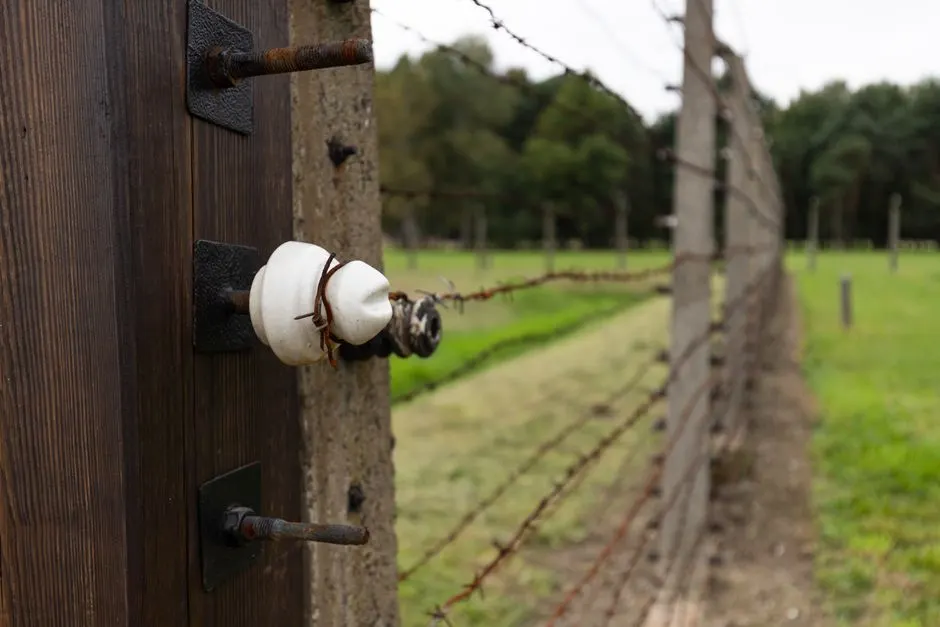
Close-up shot of an insulator on a barbed wire fence with wooden post in a green field.
Local Expertise

How We Execute Insulation in Pleasant Grove Historic District

Insulation work in Pleasant Grove Historic District requires a different playbook than new construction. The strict renovation codes here mean we cannot alter exterior profiles or remove original materials without approval. We start every job with a thermal imaging camera walkthrough to map air leaks and moisture. Then we choose materials that fit the building: injection foam for closed walls, mineral wool for soundproofing, foam board for basements. Scheduling is flexible because many homeowners here are retired and home during the day. We park on the street, protect floors with drop cloths, and use a respirator when spraying foam. Most attic jobs take four to six hours. If you need affordable insulation repair in Pleasant Grove Historic District, we can often be there the same day.

1

Historic homes with no wall cavities for insulation

We use foam board insulation on interior walls, furring out with minimal thickness to add R-value without changing the exterior. For solid brick, we apply a vapor-permeable coating that reduces air infiltration while letting the wall breathe.

2

Strict renovation codes limiting exterior changes

We work from the inside. Our team uses injection foam and dense-pack cellulose that go into existing cavities through small holes that we patch and paint. Window insulation uses clear film and weatherstripping that preserve the original sash.

3

Ice dams forming on steep historic roofs

We air-seal the attic floor with spray foam, then add R-49 blown-in insulation. We also install roof insulation at the eaves and ensure proper ventilation. This keeps the roof deck cold and stops ice dams before they start.

Service Areas

Neighborhoods We Serve in Pleasant Grove Historic District

We work across all four historic neighborhoods in Pleasant Grove Historic District. Each has its own building stock and insulation challenges, from solid masonry to original single-pane windows. Our trucks are stocked for every scenario, and we know the parking and access quirks of each street.

Historic Homes Area
Main Street Historic
Center Street Historic
100 South Historic
Close-up of crumpled aluminum foil creating a shiny, textured surface.

4+

Areas Served

Recent Insulation Projects in Pleasant Grove Historic District

These three projects show what insulation work looks like in the historic district. Each one required a different approach because of the building age and code restrictions. The results are measured in energy savings and comfort.

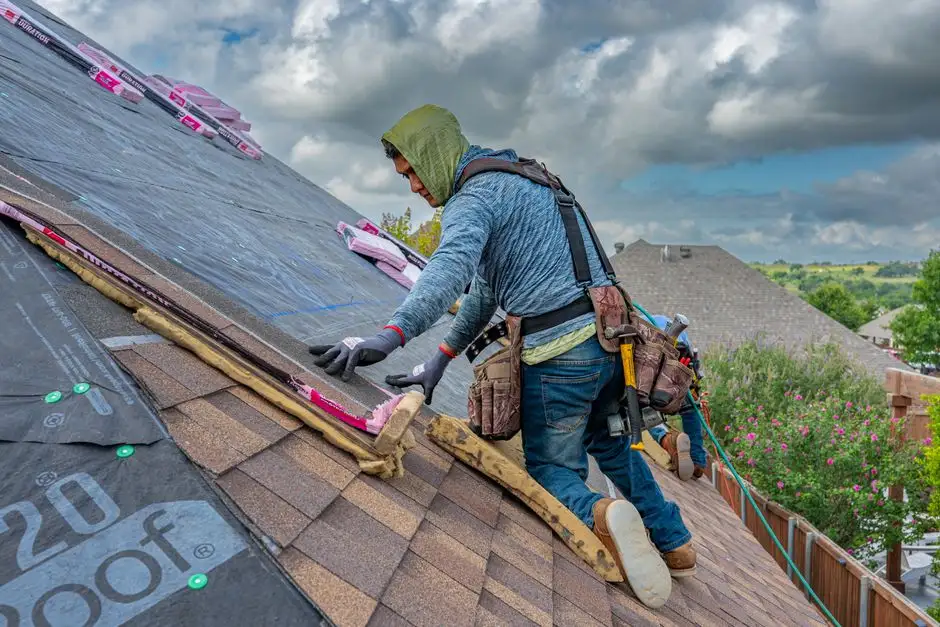
Roofers working on shingle installation on a home in Fort Worth, Texas under blue skies.
1
Challenge

A 1912 bungalow in the Historic Homes Area had zero attic insulation and original single-pane windows. Winter heating bills averaged $380 per month, and ice dams formed every year.

Solution

We air-sealed the attic floor with spray foam, blew in R-49 fiberglass, and insulated the rim joists in the basement. For windows, we installed clear film and weatherstripping that preserved the original sash. The job took two days.

Impact

The homeowner's January heating bill dropped to $210, a 45% reduction. No ice dams formed the following winter, and the house stayed warmer during a cold snap.

Historic Homes Area, near the Historic Tabernacle
2
Challenge

A 1925 Craftsman in Center Street Historic had mold growth in the crawl space from a broken vapor barrier. The insulation was soaked and had to be removed before anything else.

Solution

We removed all contaminated insulation, treated the mold with an antimicrobial, and installed a new vapor barrier. Then we encapsulated the crawl space and insulated the walls with foam board. We also added floor insulation between the joists.

Impact

Moisture readings dropped from 22% to 11%. The homeowner reported no musty smell and a warmer first floor. Energy bills fell by $65 per month.

Center Street Historic
3
Challenge

A 1930 cottage in 100 South Historic had a raccoon infestation in the attic. The animal had torn through old fiberglass batts, leaving gaps and contaminated material throughout.

Solution

We removed all damaged insulation, sanitized the attic, and sealed entry points with hardware cloth. Then we installed new blown-in cellulose and added baffles to keep vents clear. The job required a respirator and full protective gear.

Impact

The attic passed a follow-up inspection with no pest activity. The homeowner saw a 28% drop in summer cooling costs and said the house felt cleaner.

100 South Historic
When To Call

Signs You Need Insulation in Pleasant Grove Historic District

Historic homes send clear signals when insulation is failing. You might notice ice dams on the roof, cold floors in winter, or a musty smell in the basement. These are not just annoyances. They point to air leaks, moisture buildup, and inadequate R-value that cost you money every month. If you are searching for insulation near me Pleasant Grove Historic District UT, these signs mean it is time to call.

1. Ice dams forming on the roof every winter

Warm air escaping through an uninsulated attic melts snow on the roof. The water refreezes at the eaves and backs up under shingles. This can rot roof decking and stain ceilings. It is a sign your attic insulation is inadequate and air sealing is needed.

2. Heating bills over $300 in January

Historic homes with no insulation lose heat through the attic, walls, and windows. If your bill is double what neighbors pay in newer homes, you are heating the outdoors. A thermal imaging camera can show exactly where the heat is escaping.

3. Cold floors in the morning

Cold floors usually mean missing floor insulation over a crawl space or basement. In 100 South Historic, many homes have uninsulated joists that let cold air rise. This is uncomfortable and can lead to frozen pipes.

4. Musty smell in the basement or crawl space

A musty odor indicates moisture buildup, often from a missing or damaged vapor barrier. Wet insulation loses R-value and can grow mold. This is common in homes near Battle Creek where the water table is high.

5. Drafts around windows and doors

Original single-pane windows in historic homes leak air around the sash and frame. You can feel it on windy days. Window insulation with weatherstripping and clear film stops these drafts without replacing the windows.

Call Now — (855) 927-7517
Local Problem Patterns

Common Insulation Problems in Pleasant Grove Historic District

The historic district has insulation problems you will not find in newer subdivisions. The building stock is old, the codes are strict, and the climate swings hard. These four issues come up on almost every job we do in 84062. Knowing them helps you spot trouble early.

No insulation in walls or attics

Why it happens here

Most homes in the Historic Homes Area were built before insulation was standard. Walls are solid masonry or plaster on brick with no cavity. Attics were left bare. This was normal in 1900 but costs you hundreds every winter.

Our approach

We use injection foam for closed cavities and blown-in cellulose for attics. For solid walls, we add interior foam board with minimal thickness. Our goal is to add R-value without changing the historic character.

Air leaks around original windows and doors

Why it happens here

Original double-hung windows in Center Street Historic were designed to leak air for ventilation. The frames have settled over 100 years, leaving gaps. Weatherstripping has worn away. This is the biggest source of heat loss in most homes.

Our approach

We seal gaps with insulation tape and install spring bronze weatherstripping that matches the historic profile. For single-pane glass, we add clear film that is invisible from the street. This cuts drafts by up to 70%.

Moisture buildup in crawl spaces

Why it happens here

Many historic homes have dirt crawl spaces with no vapor barrier. Ground moisture rises into the insulation and framing. In 100 South Historic, poor drainage makes it worse. Wet insulation stops working and can grow mold.

Our approach

We install a heavy-duty vapor barrier, seal foundation vents, and insulate the crawl space walls with foam board. If there is mold, we treat it first. This keeps the space dry and protects your floor insulation.

Pest infestation in attic insulation

Why it happens here

Old fiberglass batts in attics near Battle Creek attract rodents and raccoons. They tear through the material to make nests, leaving gaps and contaminated insulation. This is common in homes that sit vacant or have open soffits.

Our approach

We remove all contaminated insulation, sanitize the attic, and seal entry points with hardware cloth. Then we install new blown-in cellulose with pest-resistant additives. We also check for mold growth before closing up.

Call Now — (855) 927-7517
Year-Round Coverage

Seasonal Insulation Considerations in Pleasant Grove Historic District

Pleasant Grove Historic District sees four distinct seasons, and each one puts different stress on your insulation. Fall is the best time to schedule work before winter, but we handle projects year-round. Here is what to expect each season.

Spring

Spring rain and snowmelt reveal moisture problems in crawl spaces and basements. If your vapor barrier is failing, you will see damp insulation or a musty smell. This is also when ice dam damage from winter becomes visible on ceilings.

Tip

Schedule a crawl space inspection in April or May. We can install a new vapor barrier and floor insulation before summer humidity arrives.

Summer

Attic temperatures in Pleasant Grove Historic District can exceed 140 degrees in July. If your attic is uninsulated, that heat radiates into living spaces and your air conditioner runs constantly. Energy bills spike.

Tip

Add attic insulation and a radiant barrier before the hottest weeks. We often combine this with roof insulation to reduce heat gain through the roof deck.

Fall

Fall is the ideal time to insulate in the historic district. Temperatures are mild, attics are accessible, and you can finish before the first freeze. This is when we see the highest demand for attic and wall insulation.

Tip

Book your estimate in September or early October. We can usually complete most jobs within two weeks, leaving you ready for winter.

Winter

Winter brings ice dams, frozen pipes, and high heating bills. If your insulation is inadequate, you will feel it. Cold floors and drafty rooms are common in historic homes from December through February.

Tip

Emergency insulation repair is available 24/7 for burst pipes and storm damage. We can also add temporary weatherstripping to get you through until a full installation is scheduled.

Call Now — (855) 927-7517

FAQs About Insulation in Pleasant Grove Historic District

Common questions before hiring a Insulation in Pleasant Grove Historic District

How much does insulation cost in Pleasant Grove Historic District?

Most attic insulation jobs in Pleasant Grove Historic District cost between $1,800 and $3,500 in 2026. Wall insulation with injection foam runs $2,500 to $5,000. Crawl space encapsulation starts around $2,200. Prices are higher than in newer areas because historic homes require more labor and careful material selection. We provide free estimates and financing options.

Who is the best insulation contractor in Pleasant Grove Historic District?

The best contractor is one who has worked on historic homes and understands the strict renovation codes. Skyseal Corner has insulated over 180 homes in 84062 since 2022. We are BPI Certified, carry full insurance, and use thermal imaging to find air leaks without damaging walls. Ask for references from the Historic Homes Area or Center Street Historic.

Is there 24/7 insulation near me in Pleasant Grove Historic District?

Yes. We offer 24/7 insulation service in Pleasant Grove Historic District for emergencies like burst pipes, storm damage, or pest infestation. Call (855) 927-7517 and we can be on site within two hours. Our after-hours crew carries moisture meters and temporary barriers to stabilize the situation until a full repair can be scheduled.

How to choose insulation in Pleasant Grove Historic District UT?

Start by identifying the biggest problem: attic heat loss, drafty walls, or moisture in the crawl space. For attics, blown-in fiberglass or cellulose is cost-effective. For walls, injection foam preserves historic plaster. For crawl spaces, foam board and a vapor barrier work best. We can perform an energy audit to recommend the right combination for your home.

Can you install insulation without removing my historic walls?

Yes. We use injection foam and dense-pack cellulose that go into existing cavities through small holes. We patch and paint the holes so you cannot tell we were there. For solid masonry walls with no cavity, we add interior foam board with minimal thickness. This preserves your original plaster and trim while adding R-value.

Call Now — (855) 927-7517
Knowing the Area

Landmarks We Navigate in Pleasant Grove Historic District

Our team uses Pleasant Grove Historic District landmarks as orientation points every day. The Pleasant Grove Historic District Sign marks the main entry, and we often meet customers there for estimates. The Historic Tabernacle is a central reference for scheduling, and the Old Pleasant Grove School helps us identify the north end of the district. We know which streets flood in spring and where to park without blocking driveways.

Landmarks

  • Pleasant Grove Historic District Sign

    This sign at the district entrance is our default meeting point for customers who want to walk the property before an estimate. It is easy to find and has space to park.

  • Historic Tabernacle

    The Historic Tabernacle anchors the center of the district. Many of our jobs are within three blocks of it, and we use it to explain locations to new crew members.

  • Old Pleasant Grove School

    The Old Pleasant Grove School marks the northern edge of our service area. Homes near here often have the oldest construction and the most urgent insulation needs.

Commercial Districts

  • Main Street commercial strip

    The Main Street strip has restaurants and shops with upstairs apartments. Insulation demand here is mostly for soundproofing and sealing drafty storefronts. We work early mornings to avoid disrupting business.

  • Center Street business district

    Center Street has a mix of offices and retail in converted homes. These buildings need attic insulation and air sealing to keep utility costs down. We often work after hours to avoid customer traffic.

Transport & Access

  • Pleasant Grove Station

    The station is just east of the historic district, providing easy access from I-15. Our trucks use this route for material pickups and emergency calls.

  • State Street / Main Street intersection

    This intersection is the main crossroads for the district. We plan routes around it to avoid school traffic and reach jobs faster.

Call Now — (855) 927-7517
Service Area

Insulation Coverage Across Pleasant Grove Historic District & Utah County

Routine and same-week appointments for residents and businesses across Utah County, including the ZIP codes below.

84062
Call Now — (855) 927-7517
Roofers working on shingle installation on a home in Fort Worth, Texas under blue skies.
Verified & Licensed
Trust & Safety

Trust and Local Compliance

We maintain the highest standards of professionalism and compliance to serve Pleasant Grove Historic District residents.

Licenses

Utah contractor license
BPI Certified

Certifications

BPI CertifiedNARI CertifiedENERGY STAR Partner

Get Insulation in Pleasant Grove Historic District Today

Your historic home deserves insulation that works without compromising its character. Skyseal Corner has been serving Pleasant Grove Historic District since 2022, and we know how to navigate the strict codes and old building stock. We offer free estimates, financing, and 24/7 emergency service. Call us today and start saving on energy bills while protecting your home's history.